Additional Content Download
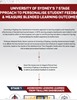
University of Sydney's 7 Stage Approach to Personalise Student Feedback & Measure Blended Learning Outcomes
Professor Abelardo Pardo, Senior Lecturer at University of Sydney, recently shared exclusive insight in this interactive infographic on how his team has set out to pursue several new initiatives to support student learning outcomes, based on the results of the dashboard trial. This infographic breaks down the seven stages that enabled personalised feedback institution-wide and explores:
- Addressing lessons learned from trialling dashboards.
- Scaling personalised messages that focus on students' approaches to learning.
- Using satisfaction surveys to collect valuable insights.
- Factoring in midterm exam scores to measure effectiveness of personalised messages.
- Government partnerships.
- Building a platform to provide personalised student messages at scale and enable widespread adoption.
- Establishing alignment between academics, data management teams, tech support and leadership teams.
Blended learning: Improving student outcomes through learning spaces
In this interview Kate Ramzan-Levy, Faculty Manager – Faculty of Business & Law, University of Newcastle; and Dr Ben Cleveland, Fellow at LEaRN, University of Melbourne, explore how spaces can be used to provide a blended learning environment that supports student outcomes. In this video, they explore how to measure the effectiveness of learning spaces; interventions that can be made to further improve outcomes; and the influence of space on pedagogy.

How Australian universities are implementing innovative blended learning methods to boost student engagement
Advances in technology have enabled students with greater flexibility in how they learn, which has influenced the need for educators to engage students beyond the traditional classroom environment. In this exclusive eBook, several specialists from Deakin University, Monash University, Charles Sturt University and University of Sydney, share exclusive insight into how they are supporting student learning outcomes by creating effective and adaptable blended learning environments.
[Video transcript] Improving student outcomes through learning spaces
This is the video transcript featuring insights by Kate Ramzan-Levy, Faculty Manager – Faculty of Business & Law, University of Newcastle; and Dr Ben Cleveland, Fellow at LEaRN, University of Melbourne.

An inside look at how Monash University’s blended learning transformation is improving student outcomes
In Australia, pedagogy changes have taken centre-stage as universities look to transform the student experience. By focusing on their learning outcomes, there’s an opportunity to ensure students reach their goals and enhance the reputation of their wider institutions as hubs of excellence. Ahead of Blended Learning 2016, we take a look at how Monash University has established a long-term strategy through its Better Teaching, Better Learning Agenda, to help educators embrace a wider perspective on curriculum design, and align it with students’ needs to deliver the best possible learning environment.

Integrating ePortfolios Across University Programs for Placing Students at the Centre of their Learning and Continued Learning
- Facilitating student reflection and engagement with their own learning across degree as well as for continued learning after degree
- Using collaborative tools for innovative and interactive teaching methods
- Best practise methods for blended learning through ePortfolio’s
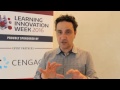
Educating Students in a Time of Disruption: Becoming Innovative and Creating an Internal Shift Towards Blended Learning
- Looking to the future of education: embracing change to improve the learning experience
- Discuss the balance between delivery of disciplinary content and developing new graduate attributes: incorporating skills into a blended curriculum
- Creating the internal shift to encourage and develop a flexible and innovate curriculum
- Redefining the roles of a next generation university – what does an Uber University look like?
- Using Blended Learning as a driver of change
Interview transcript with Professor James Arvanitakis, Dean of the Graduate Research School, Western Sydney University
- Looking to the future of education: embracing change to improve the learning experience
- The balance between delivery of disciplinary content and developing new graduate attributes: incorporating skills into a blended curriculum
- Creating the internal shift to encourage and develop a flexible and innovate curriculum
- Redefining the roles of a next generation university – what does an Uber University look like?
- Using Blended Learning as a driver of change
How to change mindsets & introduce blended learning techniques successfully
In this article, Susie MacFarlane, Senior Facilitator, Teaching Excellence and Innovation, shares insight into her team’s efforts to enable a blended learning environment for students at the School of Exercise & Nutrition, Deakin University.
Presentation: Educating Students in a Time of Disruption: Becoming Innovative and Creating an Internal Shift to Drive the Future of Universities
- Looking to the future of education: embracing change to improve the learning experience
- The balance between delivery of disciplinary content and developing new graduate attributes: incorporating skills into a blended curriculum
- Creating the internal shift to encourage and develop a flexible and innovate curriculum
- Redefining the roles of a next generation university – what does an Uber University look like?
- Using Blended Learning as a driver of change
The Future of the Lecture: Abolition or Paradigm Shift?
- Does the traditional, didactic lecture still have a place in higher education?
- How a lecture in 2020 look different might compared to 20 years earlier?
- Is ‘flipped learning’ the right model for large undergraduate cohorts?
Navigating Changing Student Dynamics and Heightened Expectations for Creating a Learner Centred Environment
- Insight on the changing dynamics and what constitutes a course in the contemporary educational setting
- Creating an environment for enabling students to be the centre of their learning
- Aligning assessment methods within a blended learning environment

Interview transcript: Integrating ePortfolio’s Across University Programs for Placing Students at the Centre of their Learning and Continued Learning
- Facilitating student reflection and engagement with their own learning across degree as well as for continued learning after degree
- Using collaborative tools for innovative and interactive teaching methods
- Best practise methods for blended learning through ePortfolio’s
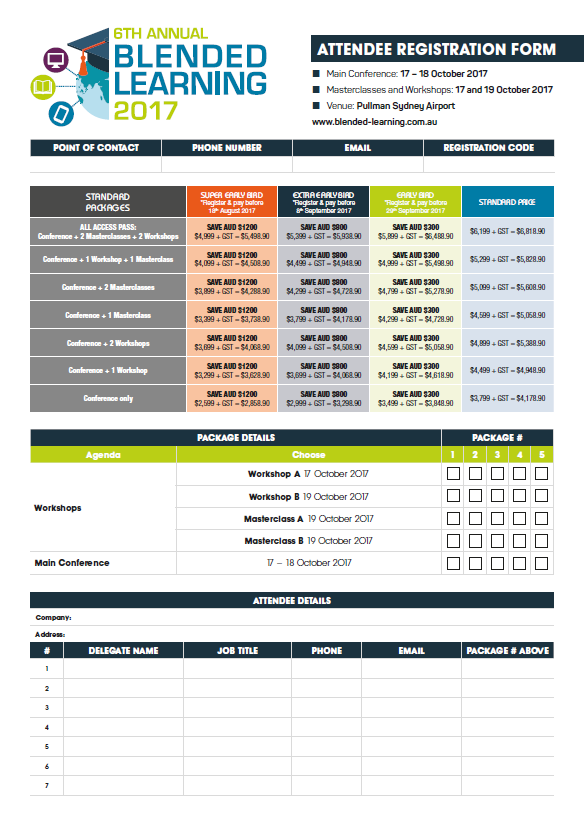
Blended Learning 217 Registration Form
What’s next for blended learning? An inside look at how three universities are evolving their blended learning strategies to drive student engagement and improve learning outcomes
In this eBook three universities explore the specific areas each are focusing on to improve student learning outcomes by creating effective and adaptable blended learning environments.
Read on, to learn more about how:
- The University of Sydney is drivinginstitution-wide curriculum transformation through blended learning initiatives
- Charles Sturt University is rolling-out a new interactive and adaptive Online Learning Model (OLM) called U!magine and how it is being used to create a connected learning experience
- Monash University is using learning analytics to enhance enquiry-driven student learning
Improving student engagement through blended learning"How a flipped learning model is being used at the University of Melbourne to drive engagement throughout all stages of the learning cycle
In this article, Professor Raoul Mulder, Associate Dean for Academic Innovation and Advancement in the Faculty of Science at the University of Melbourne, explores the flipped learning initiatives he is currently trialling at the University Melbourne to encourage student engagement in preparation for, and participation in class.
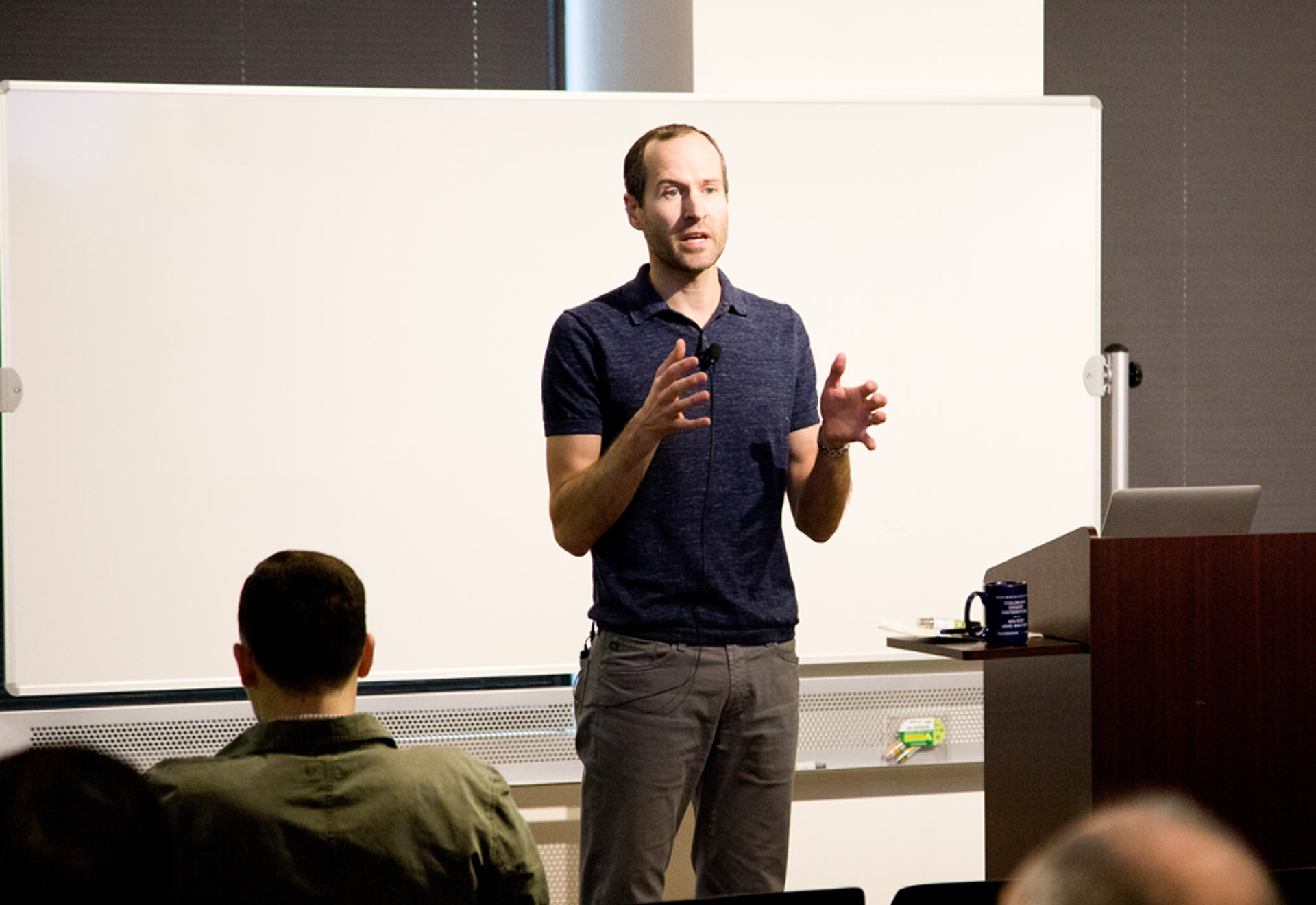
How to Build a Successful Blended Learning Model
When you make the switch to a blended learning model, you find yourself making instructional choices for students that empower them to utilize technology in a very independent and deliberate manner.
6 Best Practices For Expanding A Blended Learning Initiative
In 2009, Colorado District 49 began looking for ways to provide more flexible learning opportunities. We wanted to include as many students as possible, both to alleviate overcrowding in our brick-and-mortar schools and to attract students for whom a virtual model was the only way to keep them in the district.